The World Within the World
The World Within the World

Focus
A river has a mouth. A mountain has a foot. A city has arteries, and somewhere near its centre, a heart. We use these words so often that we rarely notice they suggest the world might be built on the same pattern as a person.
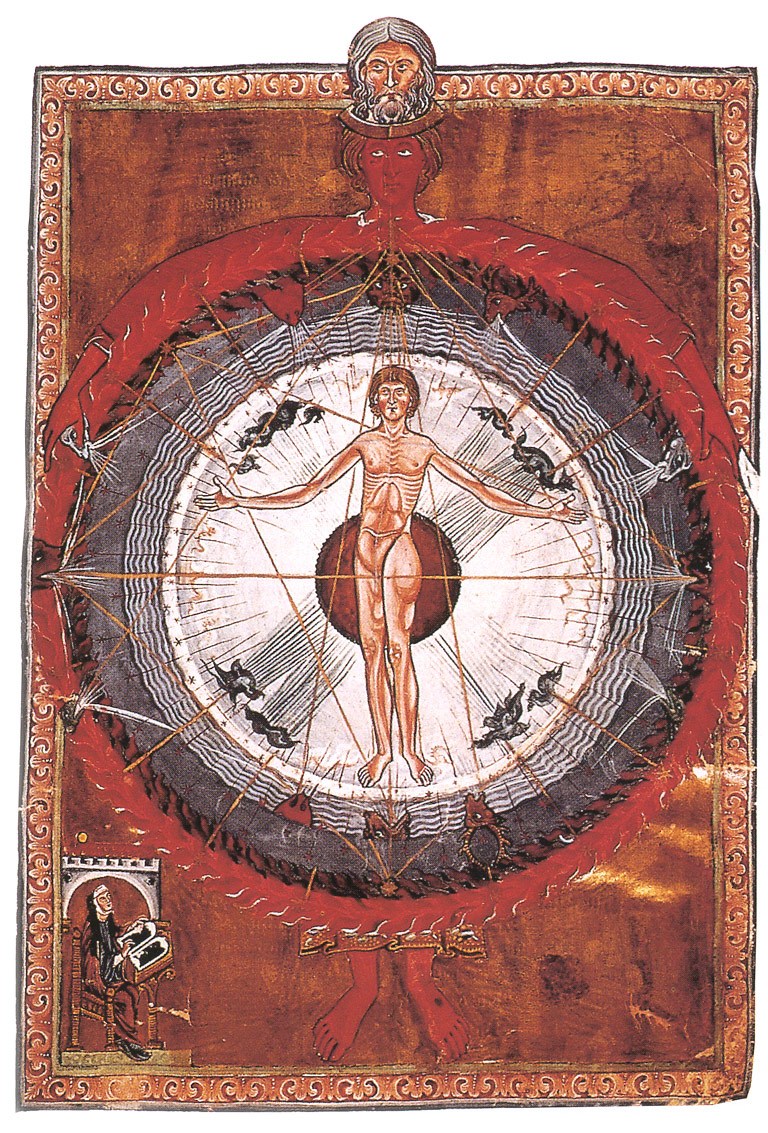
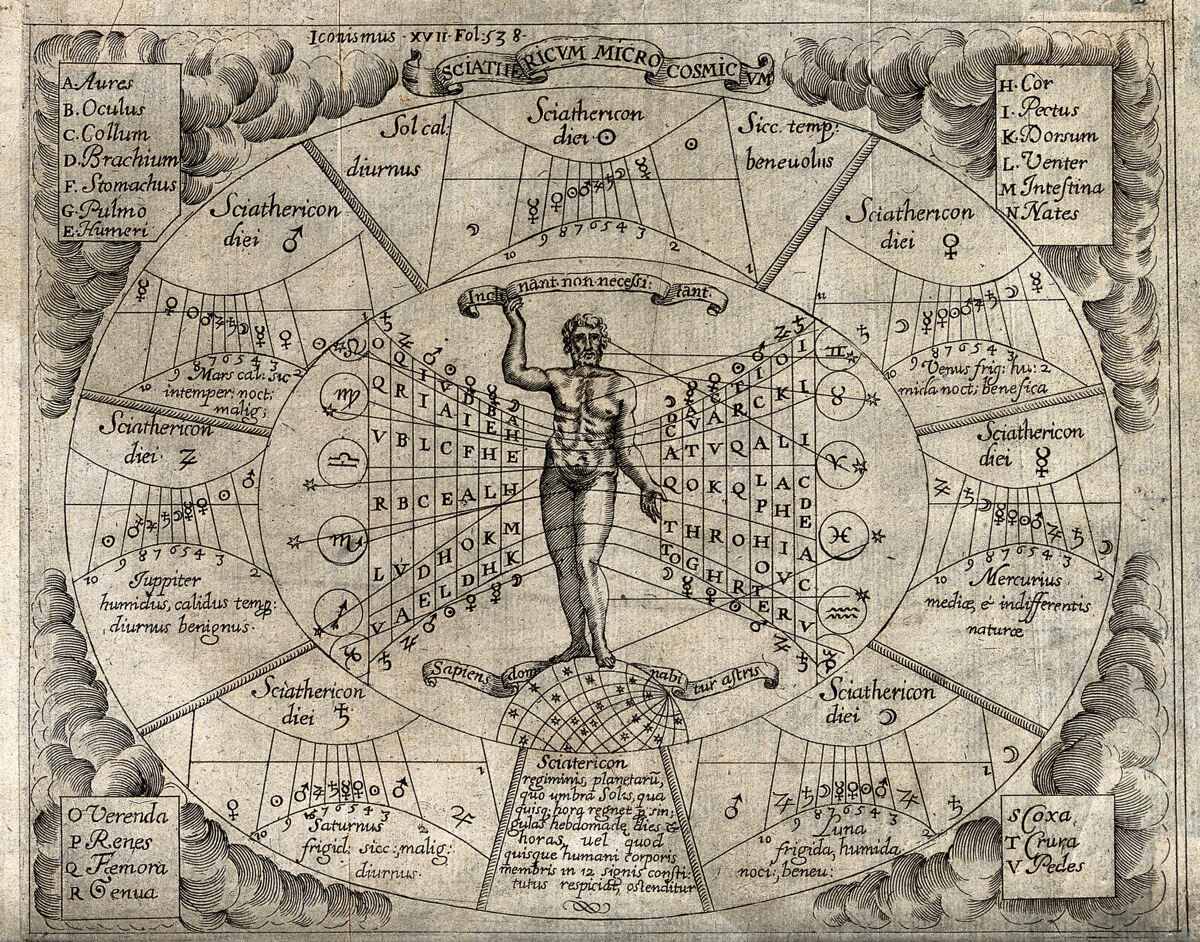
The old idea of the microcosm took that seriously. A human being was a small world, holding in miniature the order of the large one. Each part of the body belonged to a sign of the zodiac, and the stars had their counterparts in the flesh. A physician could look to the sky before treating a patient, and a diviner could look into an animal’s liver for news of the heavens.
Why the body? Perhaps because it was the first world anyone knew. We learn distance through our arms and legs, movement through breath, and time through a heartbeat. Picturing the universe in human form gave people a way to approach something too large to take in whole.
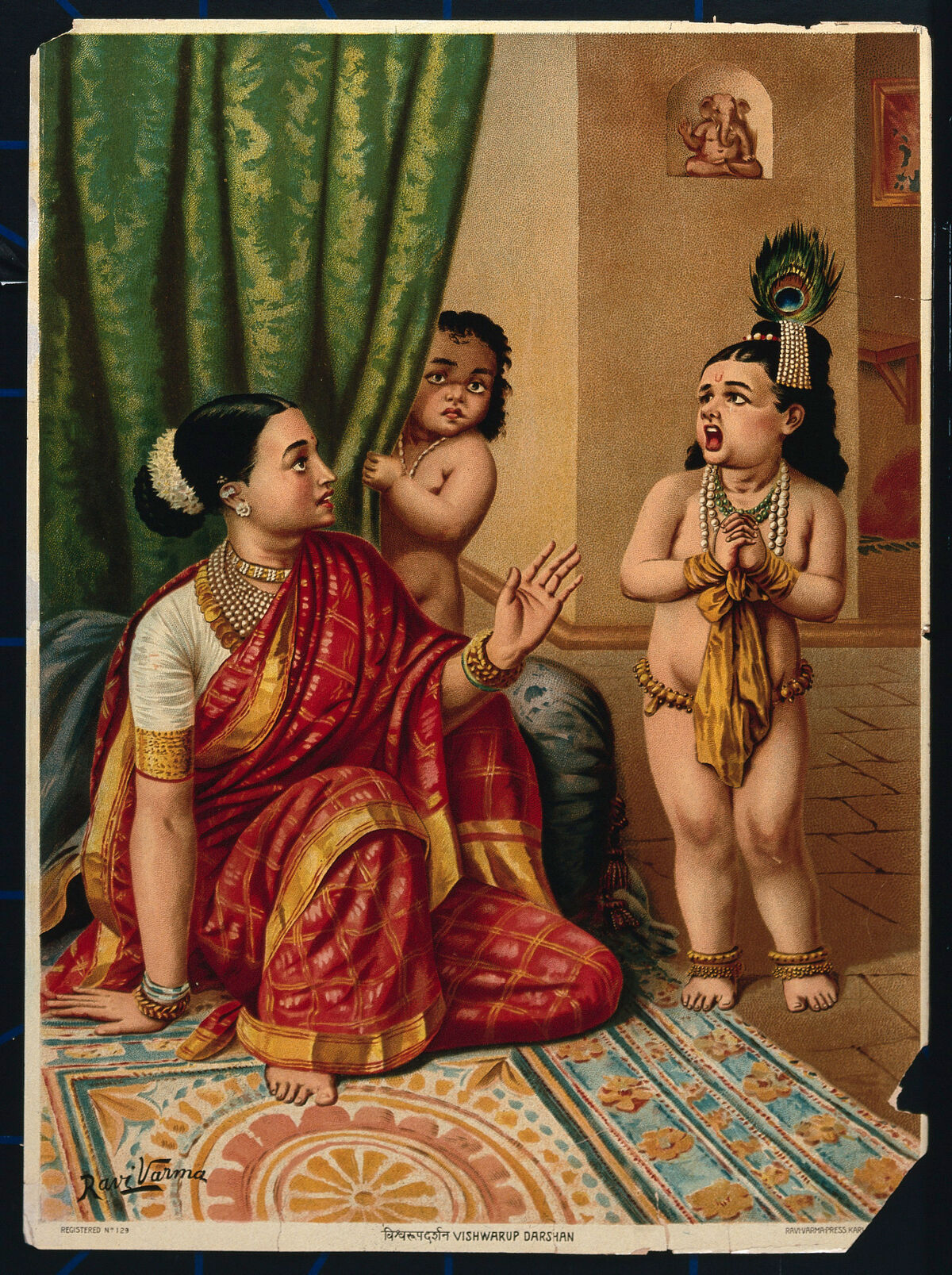
The people in this issue drew that picture on a bronze liver, on a map of the known world, in the plan of a temple and in the rooms of a castle. The issue ends with a mother who looks into her small son’s mouth and finds the whole world there.
The Herald
In this issue